A PurposeMate Deep Research
The Anatomy of Purpose
How History’s Greatest Souls—Vivekananda, Gandhi, Buddha, Ambedkar & Prabhupada—Discovered Their Definitive Calling
What separates those who live with burning clarity from those who drift through life wondering “what am I here for?” After 26 years of spiritual practice and guiding over 1,000 souls through transformation, I became obsessed with one question: Is there a pattern to how the greatest humans discovered their purpose?
This is not a biography collection. This is a forensic analysis—studying five souls who shook the world, dissecting the exact mechanism through which confusion transformed into crystal-clear purpose. What emerged surprised me. Purpose is not a destination. It’s a process with identifiable stages, and these stages follow remarkably similar patterns across cultures, centuries, and contexts.
Whether you’re a seeker lost in confusion, or a leader wondering how to help others find their way, this research will give you the map that I wish I had found decades ago.
Swami Vivekananda
1863 – 1902
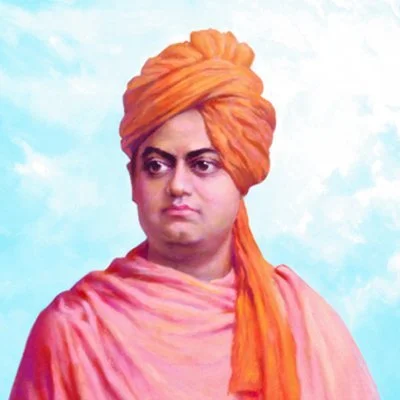
The wandering monk who asked everyone: “Have you seen God?”
Born Narendranath Datta in Calcutta, young Narendra was brilliant, rational, and deeply skeptical. Influenced by Western philosophy, he joined the reformist Brahmo Samaj movement. But one question consumed him: “Does God actually exist?”
He asked this question to everyone he met. Most gave philosophical answers. None satisfied him. Then, at age 18, he met Ramakrishna Paramahamsa.
Have you seen God?
— Narendra’s first words to Ramakrishna
Ramakrishna’s response changed everything: “Yes, I see Him just as I see you here, only more intensely.” Yet even after this encounter, Narendra remained skeptical for five more years. Purpose doesn’t come instantly.
Phase 1
Confusion & Seeking (Age 15-20)
Intellectual brilliance but spiritual confusion. Wrestling with existence. Asking everyone the same question.
Phase 2
Guru Encounter (Age 18)
Meets Ramakrishna. Receives the answer but takes years to accept it. The seed is planted.
Phase 3
Crisis & Transformation (Age 21-25)
Father dies suddenly. Family falls into poverty. Ramakrishna dies of cancer. Before death, he transmits spiritual power and instructs: “Go and do good to the world.”
Phase 4
Wandering & Realization (Age 25-30)
Travels across India as a wandering monk. Witnesses mass poverty, suffering, ignorance. Three days of meditation at Kanyakumari. Purpose crystallizes.
The Kanyakumari Moment
In 1892, Vivekananda swam to a rock off the southern tip of India and meditated for three days. He saw India’s problem clearly: not spiritual poverty, but material and educational poverty. Spirituality without bread was meaningless. His purpose crystallized: Uplift the masses through spirituality combined with education.
They alone live who live for others; the rest are more dead than alive.
— Swami Vivekananda
Purpose took 10 years from meeting Ramakrishna to achieving clarity. It required intellectual questioning, guru encounter, personal suffering (father’s death), witnessing mass suffering (India’s poverty), spiritual transmission, and solitary deep meditation.
Mahatma Gandhi
1869 – 1948
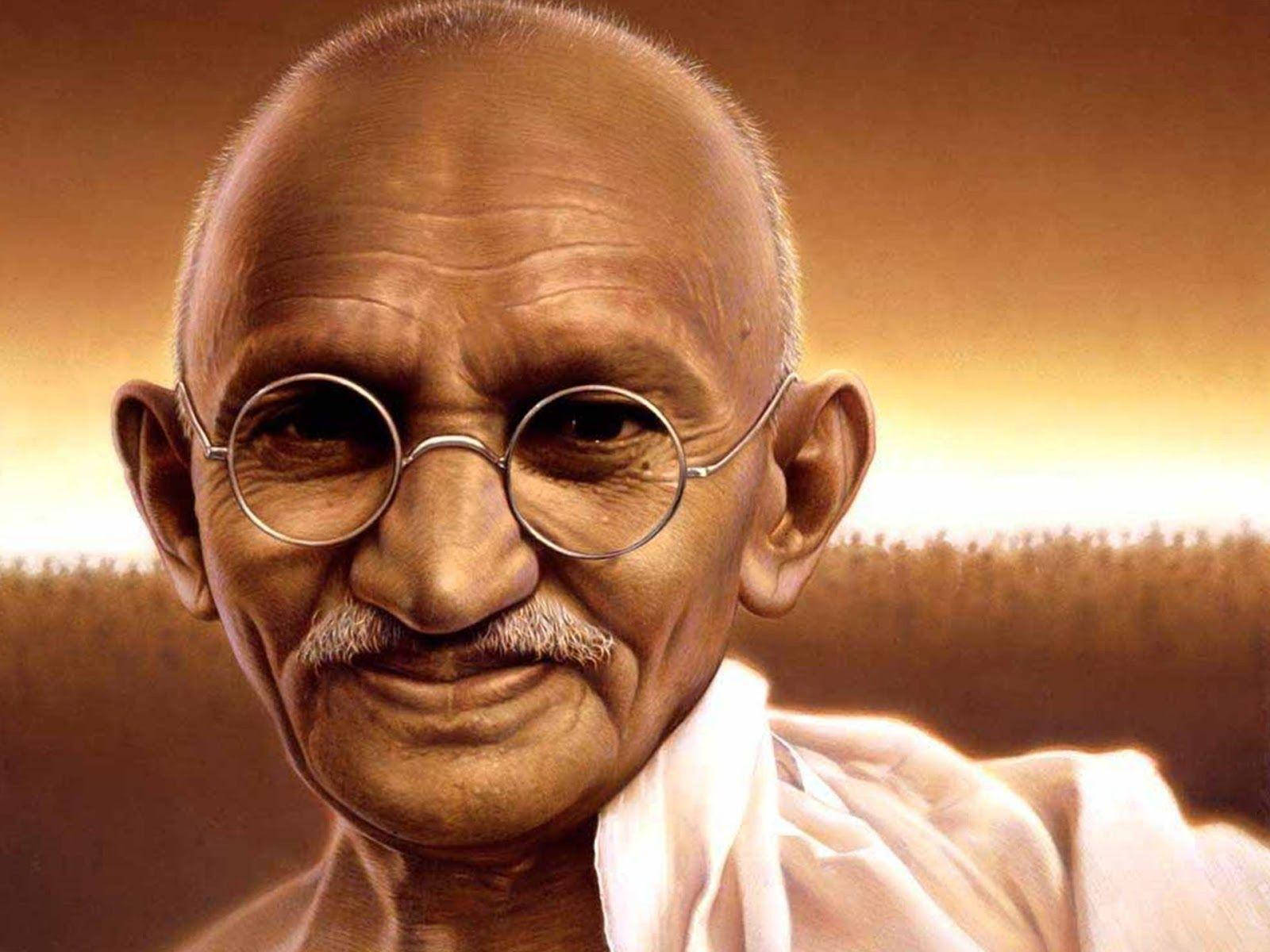
A shy lawyer who couldn’t speak in court became the father of a nation
Mohandas Gandhi was a mediocre student, painfully shy, and failed as a lawyer in India—he was too nervous to speak in court. At 24, he took a case in South Africa, expecting a brief assignment. He had no idea this journey would birth a world-changing philosophy.
The Pietermaritzburg Incident
The Night Everything Changed
In 1893, Gandhi was thrown off a train for sitting in a “whites only” compartment. He spent the entire cold night in the Pietermaritzburg station waiting room, wrestling with one question: Should I fight or flee?
He decided to fight. But not with fists or weapons. Over the next 20 years in South Africa, Gandhi experimented relentlessly—developing Satyagraha (truth-force), establishing Phoenix Settlement and Tolstoy Farm, studying the Bhagavad Gita, the Bible, the Quran, Tolstoy, and Thoreau.
My life is my message.
— Mahatma Gandhi
20 Years of Experimentation
Gandhi didn’t arrive at non-violent resistance immediately. He tried different approaches, made mistakes, refined his philosophy over two decades. At age 45, when he returned to India, his purpose had crystallized: Free India through non-violent resistance—not just political freedom, but moral and spiritual transformation.
Personal humiliation became collective liberation. Gandhi’s purpose evolved from defending his own dignity to freeing an entire nation. The transformation required 20+ years of experimentation with truth.
Gautama Buddha
563 – 483 BCE
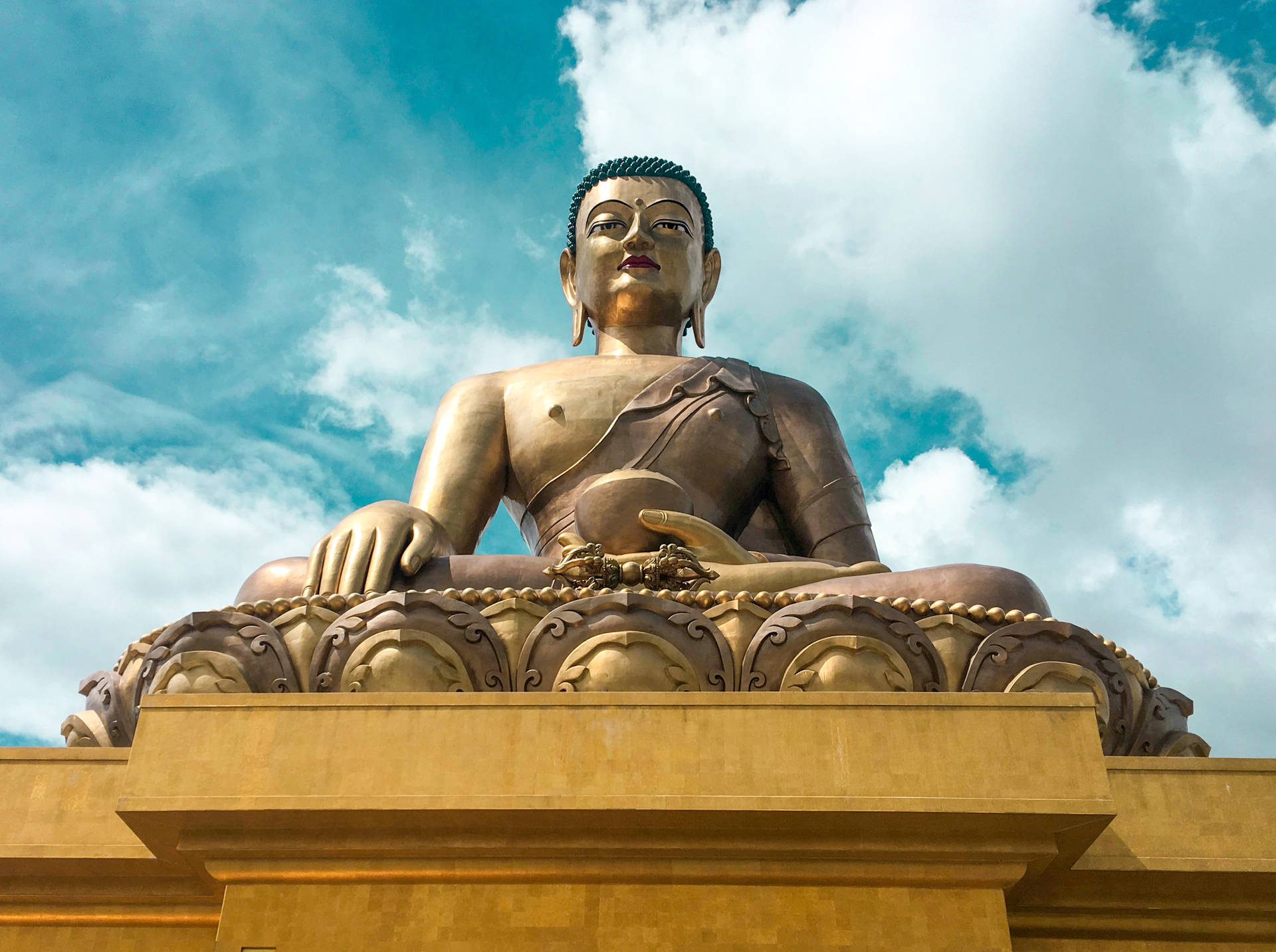
A prince who abandoned everything to answer one question: How to end suffering?
Prince Siddhartha lived in a bubble of luxury. His father, King Suddhodana, had been warned by astrologers that his son would either become a great king or a great spiritual teacher. Determined to keep him on the throne, the king shielded Siddhartha from all suffering—no old age, no sickness, no death entered the palace walls.
For 29 years, Siddhartha knew only pleasure. But something felt incomplete.
The Four Sights
One day, venturing outside the palace, Siddhartha encountered what his father had hidden:
1. An old man → “I will become old”
2. A sick person → “I will become sick”
3. A corpse → “I will die”
4. A peaceful monk → “There must be a way out”
That night, Siddhartha made the Great Renunciation—leaving his wife, newborn son, and kingdom to seek the answer to suffering.
Years of Experimentation
Neither Extreme Works
Siddhartha studied with the greatest teachers. He practiced extreme asceticism—eating one grain of rice per day, nearly dying. He realized: Luxury didn’t work. Extreme asceticism didn’t work. There had to be a middle way.
At age 35, sitting beneath a Bodhi tree, Siddhartha vowed not to rise until he found the answer. After 49 days of deep meditation, enlightenment came. He understood the nature of suffering, its cause, its cessation, and the path to end it.
I teach one thing and one thing only: suffering and the end of suffering.
— The Buddha
The rejection of both extremes led to the Middle Path. Buddha’s purpose emerged not from finding a new teaching, but from discovering what doesn’t work. His clarity came through direct experience, not intellectual analysis.
Dr. B.R. Ambedkar
1891 – 1956
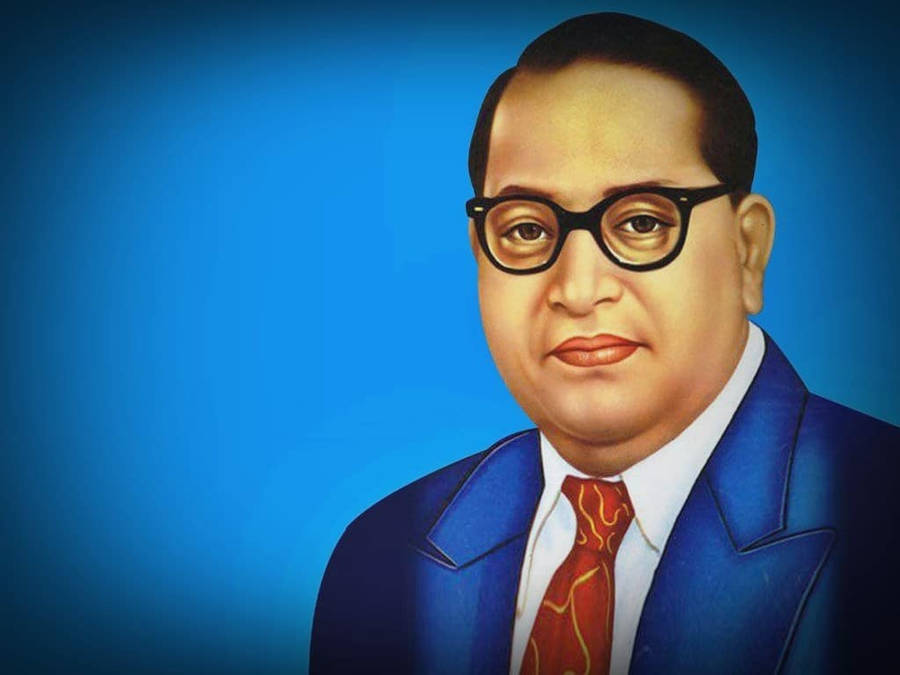
The architect of India’s Constitution who transformed personal humiliation into universal rights
Unlike the others, Ambedkar didn’t have to seek suffering—it found him from birth. Born into the Mahar caste (classified as “untouchable”), he experienced caste discrimination before he could understand it.
The Wounds of Childhood
At school, Bhimrao wasn’t allowed to sit with upper-caste students. He was denied water from the public tap. His teacher wouldn’t touch his notebook. The core wound formed early: “I am treated as untouchable.”
Education became his weapon. Supported by the Baroda ruler, Ambedkar studied at Columbia University and the London School of Economics, earning a PhD and Bar-at-Law. He could have lived a comfortable life as an educated man abroad. He chose to fight.
The Choice
Personal Success vs. Collective Liberation
Ambedkar could have escaped his caste. Instead, he declared: “I will not die a Hindu”—because Hinduism, as practiced, sanctified untouchability. His purpose crystallized: Annihilate caste through constitutional rights for all.
He led Dalit movements, drafted India’s Constitution, and ultimately converted to Buddhism in 1956—providing a spiritual alternative outside the caste system.
I measure the progress of a community by the degree of progress which women have achieved.
— Dr. B.R. Ambedkar
Childhood humiliation became the fuel for systemic change. Ambedkar didn’t just want personal dignity—he wanted constitutional protection for every oppressed person. His purpose required both legal reform and spiritual revolution.
A.C. Bhaktivedanta Swami Prabhupada
1896 – 1977
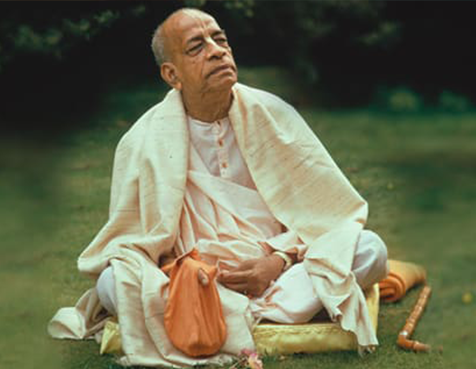
At 69, with $7 and a trunk of books, he sailed to America and changed the world
Abhay Charan De lived a conventional life—married, running a pharmaceutical business, raising children. At 26, he met his spiritual master, Bhaktisiddhanta Sarasvati, who gave him one instruction:
You speak good English. Print books and preach Krishna consciousness in the West.
— Bhaktisiddhanta Sarasvati to the young Abhay Charan (1922)
Abhay thought: “Why me? I have a business, a family.” The seed was planted, but it took 40 years to germinate.
Decades of Preparation
Gradual Surrender (Age 36-69)
His business failed. His marriage became difficult. In 1944, he started the “Back to Godhead” magazine. In 1950, he left family life. In 1959, at age 62, he took sannyasa (renunciation). His guru’s instruction slowly became his entire life.
The Journey at 69
In 1965, at age 69, Prabhupada boarded a cargo ship to America with $7 in his pocket and a trunk containing 200 copies of his Srimad Bhagavatam translation. He had no contacts in the West. He had already suffered two heart attacks during the voyage.
His only thought: “I must fulfill my guru’s order before I die.”
Within 12 years, he established ISKCON temples worldwide, translated 70 books into dozens of languages, and initiated thousands of disciples. He died in 1977, mission accomplished.
I am simply carrying out the order of my spiritual master.
— Srila Prabhupada
40 years from instruction to action. Prabhupada’s story destroys the myth of instant purpose. Life failures (business, marriage) created detachment. Advanced age gave urgency. His purpose was simple: fulfill his guru’s order. No personal ambition—pure service.
The Purpose Discovery Mechanism
Five stages that emerged across all five lives
01
The Trigger
Personal suffering, humiliation, existential crisis, or guru instruction. Something breaks the ordinary flow of life. Vivekananda asked questions. Gandhi faced injustice. Buddha saw death. Ambedkar experienced discrimination. Prabhupada received an order.
02
Seeking & Confusion
This phase lasts 5-40 years. Intellectual exploration, meeting teachers, trying different paths, often involving failure and crisis. This is NOT wasted time—it’s necessary preparation.
03
Transformative Moment
A guru encounter, a humiliation, deep meditation, or life crisis that breaks something open. Vivekananda at Kanyakumari. Gandhi on the train. Buddha under the Bodhi tree.
04
Purpose Crystallizes
Integration of personal pain with a larger cause. Clarity emerges: “THIS is what I must do.” The shift happens from “me” to “we.” Often comes after solitary reflection.
05
Commitment & Action
Founding movements, total dedication, life becomes the message. Purpose-driven until death. The world changes because someone finally stopped seeking and started serving.
What This Means for Your Journey
1. Purpose is NOT Instant
Vivekananda took 10 years from meeting Ramakrishna to clarity. Prabhupada took 40 years from guru’s order to action. Gandhi experimented for 20+ years. If you’re confused, you’re exactly where you need to be.
2. Purpose Often Comes from Pain
Personal suffering (Ambedkar’s humiliation), witnessing others’ suffering (Vivekananda’s travels), existential crisis (Buddha seeing death). Your struggles are not obstacles to purpose—they may be the doorway.
3. Mentors are Crucial
Vivekananda had Ramakrishna. Prabhupada had Bhaktisiddhanta. Gandhi had Gokhale and Tolstoy (through books). Finding the right guide accelerates everything.
4. Purpose Requires Experimentation
Gandhi’s 20 years of trial and error. Buddha trying extreme asceticism. Vivekananda wandering India. You cannot think your way to purpose—you must try, fail, and refine.
5. Purpose Shifts from ME to WE
All five started with personal questions and ended serving collective good. Your purpose becomes clear when you stop asking “What do I want?” and start asking “What does the world need that I can give?”
Ready to Discover Your Purpose?
You don’t have to walk alone. As your PurposeMate, I exist solely to help you discover and achieve YOUR purpose—not mine.